Breaking the Silence: The Critical Role of Maternal Communication in SRHR and Child Safety
In contemporary Africa, a staggering 60% of teenagers prefer confiding in peers over their parents. This communication gap is not merely a social trend; it is a crisis fueled by cultural taboos, authoritative parenting, and the pervasive “culture of silence” surrounding Sexual and Reproductive Health and Rights (SRHR).
Her Innovation Cameroon’s (HIC)recent counseling sessions with students from St. Rita’s have unveiled a heartbreaking reality: when mothers stop listening, daughters start suffering. During our past engagements with this institution, we discovered that 1 in every 6 girls is going through gender abuse at home. Ranging from assaults to rape cases. Unfortunately, these kids are left to carry these burdens in silence owing to the complexity of SRHR in our society.
The High Cost of Silence: Lessons from St. Rita
The stories of young girls like Faith, Joy, and Esther (not their real names) are poignant reminders of the trauma that thrives in the absence of parental support.
Esther’s Story in Summary: At just 13 years old, Esther (Form 3) has endured repeated sexual abuse by her stepfather. Most devastatingly, she confirms her mother is aware of the abuse but has chosen silence to preserve her financial stability and social standing. When a mother rebukes a child’s plea for help or prioritizes a partner over her child’s safety, the result is a profound distrust of society, chronic anxiety, and a crushing sense of worthlessness.
Many women remain trapped by the fear of “what will people say?” We must be clear: No social status or economic security is worth the soul and safety of a child!
Redefining the Mother-Daughter Dynamic
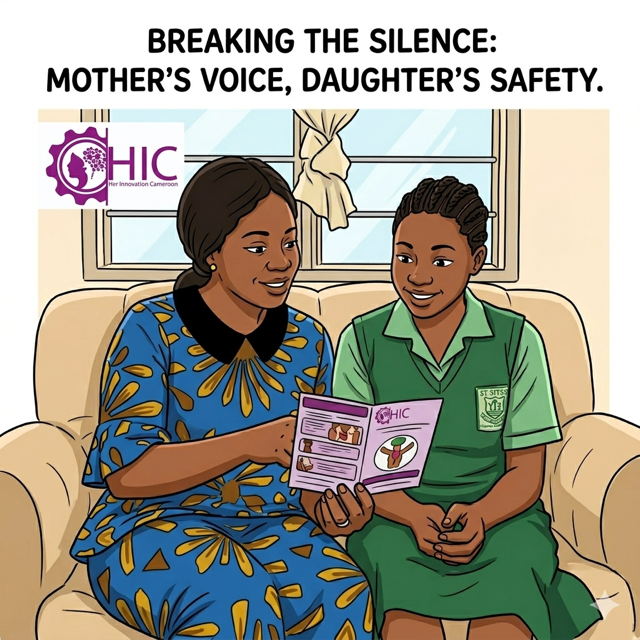
To combat domestic abuse and improve SRHR outcomes, we must transition from “top-down” restrictive parenting to an atmosphere of active listening and intimacy. When a child feels heard, they are empowered to speak up before a crisis escalates.
HIC is committed to bridging this gap through a multi-dimensional approach:
Community-Based Interventions
Mother-Daughter Programs: Creating safe, structured environments to discuss “taboo” subjects like puberty, menstrual hygiene, and HPV vaccinations.
Mothers’ Clubs: Partnering with regional initiatives to empower women with the language and confidence to discuss health, education, and the prevention of early marriage.
Digital Empowerment
Health-Tech Integration: Leveraging platforms like WhatsApp and for a like Gifted Mom to provide mothers with the digital resources and medical advice needed to guide their daughters accurately.
Media Advocacy: Utilizing radio and television campaigns to normalize conversations around reproductive health, reducing the stigma that often prevents mothers from being their daughters’ primary source of information.
Overcoming Cultural Barriers
Breaking Taboos: Education is the ultimate tool. Statistics show that educated and informed mothers are significantly more likely to delay their daughters’ early sexual debut and reduce risks of HIV transmission.
Active Listening: We encourage mothers to shift from lecturing to a “climate of warmth,” where a daughter’s perspective is valued as much as the mother’s guidance.
At Her Innovation Cameroon, we believe that every girl deserves a protector, not just a parent. By combining traditional community structures with modern digital tools, we are paving the way for healthier families and a brighter, safer future for the girl child in Cameroon.
Silence is a predator’s greatest ally. Let us choose to listen, to believe, and to act!
Contributors
Futih Laura Nge and Nsoh Kelly