“The riskiest thing we can do is just maintain the status quo.”. These words by Bob Iger serve as a sobering reminder for a continent that has navigated a complex historical journey. For centuries, Africa stood as a global seat of education, scientific advancement, and technological innovation. However, a subsequent “dark period” led newer generations to lose faith, often mislabelling the continent as the very essence of poverty and doom thus contributing to high rates of emigration and ‘Brain Drain’. Fortunately, a new stream of innovators is challenging this narrative, providing a roadmap for recovery and a return to our roots of excellence thanks to STEM.
Breaking the Chains of Traditional Banking
For decades, the formal banking sector in Africa operated under stringent laws that effectively locked out the majority of the population. High minimum balances, expensive opening fees, and prohibitive interest rates forced those in the informal economy to shun traditional banks. Instead, people relied on local savings groups known as ‘njangis’, a system built on trust but limited by physical geography.
This reliance on cash made local and cross-border trade incredibly difficult. It led to stagnated economic growth, as businesses were hampered by the risks of robbery and the inability to access international trade opportunities due to a lack of formal banking assets. The status quo was no longer sustainable; Africa needed a revolution.
The Birth of a Giant: M-PESA and the Mobile Money Revolution
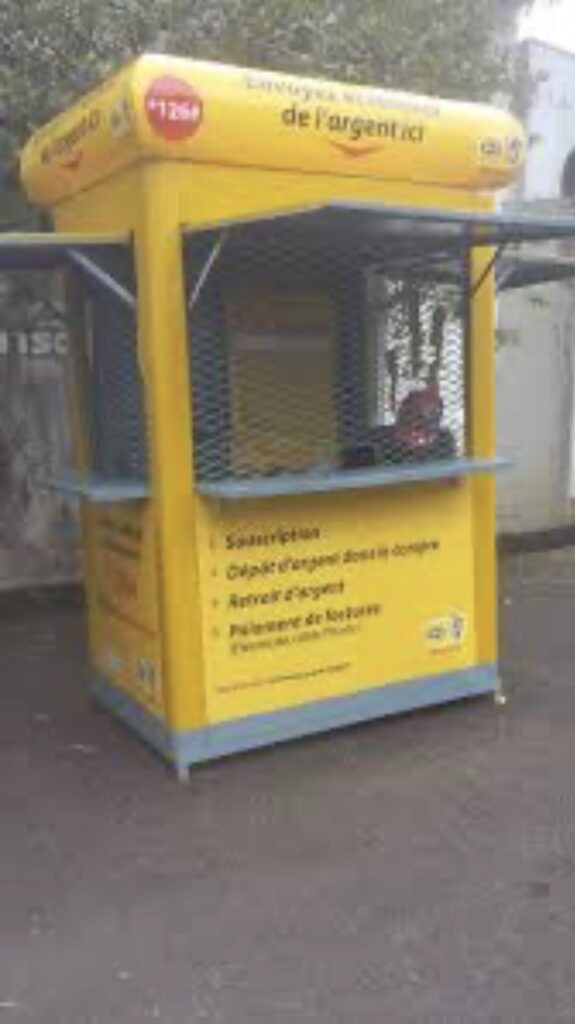
In 2007, the financial landscape changed forever with the launch of M-PESA in Kenya by Safaricom and Vodafone. The “M” stood for mobile, and “Pesa” is the Swahili word for money. Designed to address a total lack of banking infrastructure, it allowed users to deposit, send, and withdraw funds using nothing more than a simple SMS.
What began in 2002 as a concept for trading airtime evolved into a revolutionary financial service for the unbanked. Within a single year, over one million people in Kenya were using it, sparking an expansion into Tanzania, Uganda, and beyond. Today, 40 African countries utilize mobile money. It succeeded because it was a “bank in your pocket” in areas where traditional institutions had failed to reach the people.
The Evolution into Global Fintech
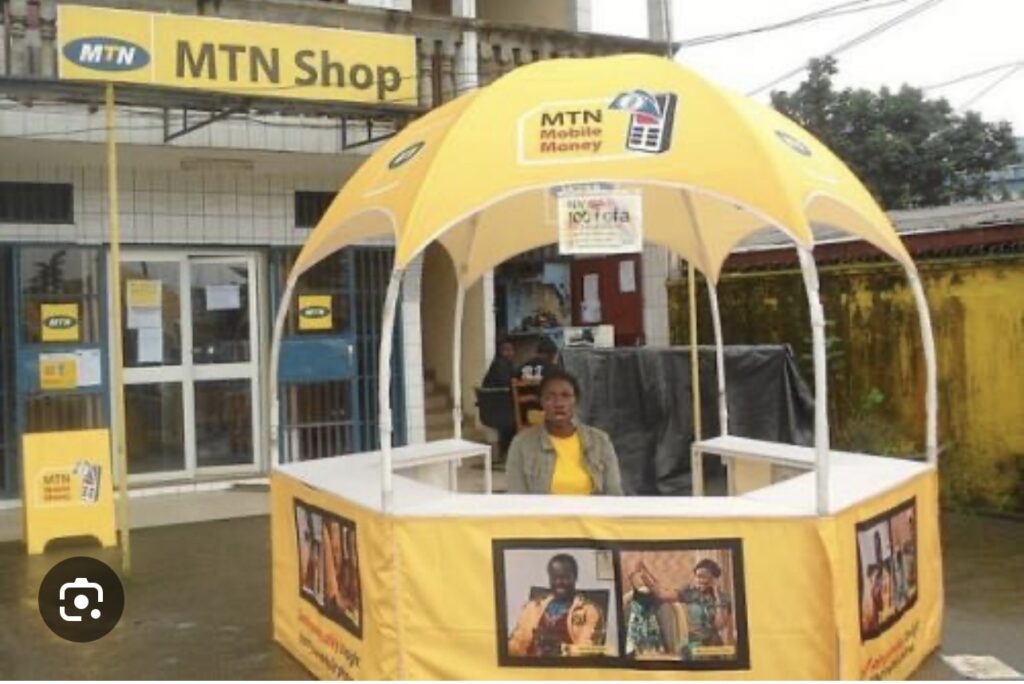
Innovation never stands still. Mobile money has since morphed into advanced, API-driven fintech platforms like Flutterwave. While early mobile money was often “siloed”—meaning an MTN user could only easily pay another MTN user—fintechs built Application Programming Interfaces (APIs) to aggregate these fragmented networks.
Think of an API as a “waiter” in a restaurant. It takes a payment request and instantly communicates with various banks and mobile wallets across the continent. This allows a merchant in Lagos to accept payment from a customer in Nairobi through a single, unified system. By partnering with global giants like Visa, Mastercard, and PayPal, these platforms have bridged the gap between local money and global commerce.
Today, this technology supports “social commerce,” allowing entrepreneurs to use WhatsApp and Instagram as storefronts. It has turned fragmented local wallets into a borderless digital currency ecosystem.
Key Motivational Lessons for Young African Innovators
As we reflect on this journey at Her Innovation Cameroon (HIC), we draw four vital lessons for our members and young Africans:
- Your Background is a Launchpad: Mobile money was born from a lack of infrastructure. Do not let the absence of resources stop you. Use the challenges around you as the blueprint for your innovation.
- Connectivity is Power: The true breakthrough came when fragmented networks were connected. In your STEM journey, prioritize collaboration. Be the “connector” who brings different ideas and people together to solve big problems.
- Empowerment Changes the Economy: Mobile money has revolutionized financial inclusion, particularly for women. When you gain technological skills, you aren’t just improving your own life; you are bolstering the growth of small enterprises and providing security for your community.
- Resilience Restores Hope: Despite the “dark periods” of the past, Africa is now processing over $1 trillion in transaction values. Your resilience is a tool for the recovery of the continent. Never stop challenging the status quo.